
Introduction
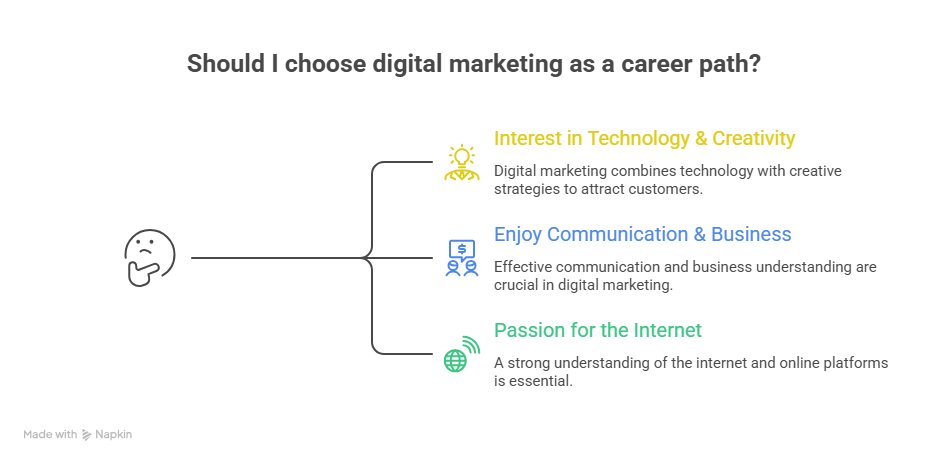
Choosing the right career after 12th can be challenging. Students today have many options beyond traditional degrees, and digital marketing has become an interesting career path for those who enjoy technology, creativity, communication, business, and the internet.
A digital marketing course after 12th can help students understand how businesses attract customers through search engines, social media, websites, email, online advertising, and other digital channels. It can provide an introduction to practical skills that are increasingly useful in today’s online business environment.
Whether you are from commerce, science, arts, or another academic background, a digital marketing course after 12th can be explored as a career option. However, students should not choose a course only because of advertisements or promises of quick jobs. It is important to understand the syllabus, practical training, career opportunities, and skills that you will develop.
This guide explains what students should know before choosing a digital marketing course after 12th, including what they can learn, possible career paths, and how to select a suitable training program.
What Is Digital Marketing?
Digital marketing means promoting products, services, brands, or businesses through digital platforms. Companies use online channels to connect with potential customers, build awareness, generate leads, and maintain relationships with their audiences.
Some important areas of digital marketing include:
- Search Engine Optimization (SEO)
- Social Media Marketing
- Google Ads and paid advertising
- Content Marketing
- Email Marketing
- Website Marketing
- Affiliate Marketing
- Online Reputation Management
- Analytics and reporting
A good digital marketing course after 12th should introduce students to these areas and explain how different channels work together as part of an overall marketing strategy.
Why Choose Digital Marketing After 12th?
Digital marketing can be a suitable option for students who want to develop practical and creative skills. Businesses of different sizes need an online presence, which creates opportunities for people who understand digital platforms and marketing techniques.
1. Multiple Career Paths
One of the biggest advantages of learning digital marketing is that it is not limited to a single job role.
After completing a digital marketing course after 12th and gaining practical experience, students can explore roles such as:
- SEO Executive
- Social Media Executive
- Content Marketing Executive
- PPC Executive
- Digital Marketing Executive
- Email Marketing Executive
- Digital Marketing Analyst
With experience, professionals can move toward specialist, strategist, managerial, consulting, or independent roles.
2. Combination of Creativity and Technology
Digital marketing combines creativity, technology, communication, and data. Social media requires creative content, while SEO involves research, optimization, and analysis.
Students who enjoy both creative and technical activities may find a digital marketing course after 12th interesting because it introduces them to different types of work.
3. Practical Skills
A digital marketing course after 12th can focus on practical activities such as keyword research, content creation, campaign planning, website optimization, social media management, and analytics.
Practical learning allows students to understand how marketing concepts can be applied to real business situations.
4. Freelancing Opportunities
Digital marketing skills can also be useful for freelance work. Businesses may hire freelancers for SEO, social media management, content writing, advertising, email marketing, and website-related services.
However, completing a digital marketing course after 12th does not automatically guarantee freelance clients. Students also need practical experience, communication skills, a portfolio, and the ability to understand and deliver client requirements.
What Do You Learn in a Digital Marketing Course After 12th?

The syllabus can vary between institutes, but a comprehensive digital marketing course after 12th may cover several important modules.
Search Engine Optimization
SEO helps websites improve their visibility in search engine results. Students may learn:
- Keyword research
- On-page SEO
- Technical SEO basics
- Off-page SEO
- Link building
- Local SEO
- SEO analytics
SEO can be useful for students who enjoy research, websites, content, and analyzing search behavior.
Social Media Marketing
Social media is an important communication channel for many businesses. A digital marketing course can teach students how to plan content, understand audiences, create campaigns, and analyze performance on platforms such as Instagram, Facebook, LinkedIn, and others.
Paid Advertising
Paid advertising allows businesses to reach specific audiences through online advertising platforms. Students can learn basic concepts such as campaign objectives, audience targeting, ad creatives, budgets, conversions, and performance measurement.
Understanding paid advertising can be an important part of a digital marketing course after 12th, especially for students interested in performance-based marketing.
Content Marketing
Content plays an important role in digital marketing. Students may learn how to create useful blog posts, website content, social media posts, videos, and other forms of content.
Good content should provide value to the audience while supporting the overall marketing objective.
Email Marketing
Email marketing helps businesses communicate directly with subscribers and customers. Students can learn about email campaigns, newsletters, audience segmentation, automation, and performance tracking.
Analytics
Data helps marketers understand whether their strategies are producing results. Basic analytics training can introduce students to traffic sources, engagement, conversions, campaign performance, and other important metrics.
Skills You Should Develop Alongside the Course
Completing a digital marketing course after 12th is only one part of building a career. Students should also develop additional professional skills.
Communication Skills
Digital marketers communicate with clients, teams, customers, and audiences. Strong written and verbal communication can therefore be valuable.
Analytical Thinking
Digital marketing involves reports, numbers, traffic data, and campaign performance. Analytical thinking can help students understand results and make better marketing decisions.
Creativity
Creativity is useful for social media content, advertisements, videos, campaigns, blog topics, and marketing ideas.
Adaptability
Digital platforms and marketing practices continue to change. Students who choose a digital marketing course after 12th should be prepared to keep learning new tools and techniques.
Time Management
Digital marketers may work on several campaigns, content calendars, reports, and deadlines at the same time. Good time management can help maintain productivity and consistency.
Career Opportunities After a Digital Marketing Course
After completing a digital marketing course after 12th and developing practical skills, students can explore different career directions.
SEO: Work on improving website visibility and organic traffic.
Social Media: Manage social media pages, content calendars, campaigns, and audience engagement.
Performance Marketing: Work with paid campaigns and focus on measurable outcomes such as leads, sales, and conversions.
Content Marketing: Create and manage useful content for websites and digital platforms.
Email Marketing: Develop email campaigns and communication strategies for customers and subscribers.
Freelancing: Provide digital marketing services independently to different clients.
Students may also use digital marketing knowledge to support their own business or a family business.

How to Choose the Right Digital Marketing Course After 12th
Choosing the right training program is an important decision. Before enrolling in a digital marketing course after 12th, students should consider several factors.
Check the Syllabus
Make sure the course covers important areas such as SEO, social media marketing, paid advertising, content marketing, email marketing, analytics, and practical projects.
Look for Practical Learning
Digital marketing is a skill-based field. A course that includes assignments, projects, campaign exercises, and real-world examples can provide more useful experience than theory alone.
Check Trainer Experience
The experience and teaching approach of trainers can influence the learning experience. Students should understand whether trainers have practical knowledge of the subjects they teach.
Ask About Projects
Projects can help students create a portfolio. Before joining a digital marketing course after 12th, ask whether practical projects are included and how they are evaluated.
Compare Course Duration and Fees
Do not choose a course simply because it is cheap or expensive. Compare the syllabus, practical training, support, projects, learning resources, and overall value.
Can You Do a Digital Marketing Course After 12th Without a Degree?
Yes, students can begin learning digital marketing after completing 12th. A specific degree is not always required to start learning the fundamentals.
A digital marketing course after 12th can give students an early opportunity to understand different digital marketing skills while they continue their education or prepare for future employment.
However, students should remember that a certificate alone does not guarantee a job. Employers and clients may also consider practical skills, communication, portfolio quality, experience, and the ability to produce useful results.
For this reason, students should focus on learning and practicing skills rather than collecting certificates.
A Simple Career Roadmap After 12th
Students interested in a digital marketing course after 12th can follow a simple career roadmap:
Step 1: Complete 12th and understand your interests.
Step 2: Research different digital marketing courses and compare their syllabus.
Step 3: Learn SEO, social media, content marketing, advertising, and analytics.
Step 4: Practice through assignments and personal projects.
Step 5: Create a portfolio showing your practical work.
Step 6: Look for internships or entry-level opportunities.
Step 7: Continue learning and specialize in an area that interests you.
This approach can make the transition from learning to professional work more structured.
Common Mistakes Students Should Avoid
Students starting a digital marketing course after 12th should avoid expecting instant results. Learning a few tools does not automatically make someone a professional marketer.
Some common mistakes include:
- Choosing a course only because of a certificate
- Ignoring practical projects
- Not developing communication skills
- Copying content without understanding marketing principles
- Focusing only on one digital platform
- Stopping learning after completing the course
- Expecting a guaranteed job immediately after training
Digital marketing continues to evolve, so regular learning and practice are important for long-term growth.
Conclusion
A digital marketing course after 12th can be a useful starting point for students who want to explore a modern, skill-based career. It can introduce them to SEO, social media, content marketing, paid advertising, email marketing, analytics, and other areas used by businesses to grow online.
The most important thing is to choose a course carefully and focus on practical learning. Students should work on projects, build a portfolio, improve communication skills, and gain real experience instead of depending only on a certificate.
There are many ways to learn digital marketing, including online resources and classroom-based training. Dizital Mantras can also be one of the options students may consider while researching different learning environments and course structures. Ultimately, the right choice depends on the student’s goals, preferred learning style, budget, syllabus, practical training, and career plans.
With consistent learning and practice, starting digital marketing after 12th can become a strong first step toward exploring different opportunities in the digital industry..